













Jeremy Clarkson is giving forecourts more reasons to stock food sourced from local producers.
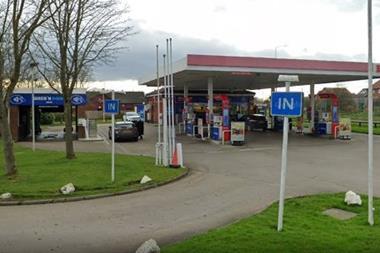
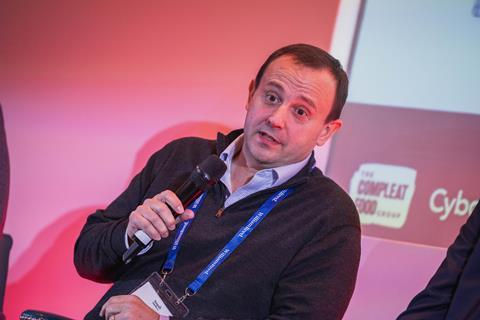
This is the view of Shell/Budgens operator Goran Raven at last week’s Summit who said the popularity of the car journalist turned British farming advocate with his Clarkson’s Farm TV show is driving home the benefits of shopping locally.
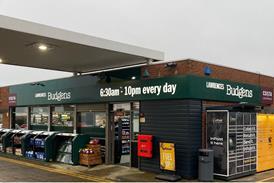
However, the owner of the Abridge, Essex-based forecourt admitted his business was not an obvious destination for those seeking local produce.
“My store is inside the M25, and you don’t really hear of Essex products,” said Raven. “Everything you hear of Essex, generally is a negative thing,” he joked.
But after visiting a farm shop in Suffolk he had a epiphany. “I thought, hold on. This is only a few miles up the road. Why can’t I put this down the road in my site,” he said.
“Clarkson’s Farm was just the perfect thing to come onto TV, because that got the message out to everyone about the benefits of buying local.”
Raven, who stocks meat from a nearby butcher, said that he is careful not to over price local ranges. “We charge where it should be,” he asserted.
“I work very closely with a butcher’s store, and we’re in contact two or three times a day, changing the range and bringing new things in. Customers are always buying something else with it, and it’s really helped us grow the store sales,” he said.
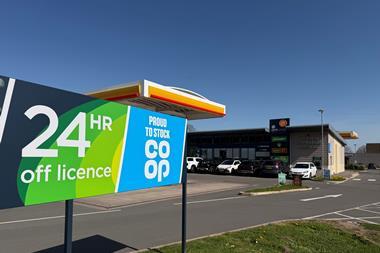
But the concept does not work everywhere, as Johnny Srikrishna found with his Tinkerbell service station in Barford Saint Martin, near Salisbury in Wiltshire. “We tried butchery from a local butcher like Goran,” he told the audience, “But we found that it did not take off, and people would rather go to the butcher down the road, with its very unreliable opening hours.”
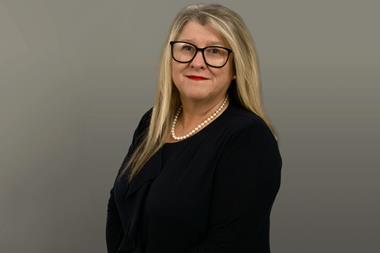
Fellow panellist and Forecourt Trader of the Year David Charman said that he uses epos technology to quickly establish if a local product is earning its shelf-space. “We can look exactly what a shelf has earned us in a week or a month, and we can make decisions based on that,” he explained.
“There is an opportunity with some of the cottage industries out there. We have a supplier that’s recently supplied some really high grade, high-protein products to us that he makes in his dark kitchen, and I’m just staggered by how one shelf can be one of our most profitable shelves in the store in a matter of weeks,” said Charman.
Penny on the Move’s chief commercial officer Tony Jackson agreed. He told the audience how it is important to employ staff who can manipulate the data technology provides. “We’ve employed a CFO who is very, very comfortable with technology and data analysis, and likewise we’ve added an IT lead so that we can make those decisions far more rapidly, more dynamically, and we can drill down to a line of product, making sure that you sweat every part of the site,” he said.
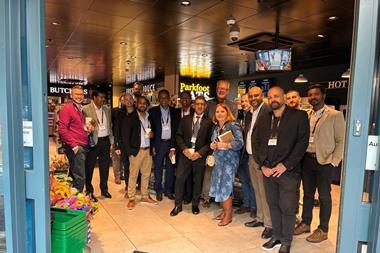
In a poll taken during the event 68% of the audience said that they stocked local food, and 74% identified it as an area of growth.